Acoustic performance is often underestimated in commercial interior design. Yet sound directly impacts productivity, concentration, privacy, and overall occupant wellbeing. In high-performing environments, acoustics are not an afterthought—they are integrated from the start.
As workplaces evolve toward open collaboration, flexible meeting zones, and shared environments, managing sound becomes more complex. Effective acoustic solutions require strategic planning, material selection, and coordination with architectural systems.
WHY ACOUSTICS MATTER
Excessive noise increases cognitive fatigue, reduces speech clarity, and compromises privacy. In corporate offices, poor acoustics can diminish focus and productivity. In healthcare settings, they affect patient comfort and confidentiality. In education environments, they influence comprehension and engagement.
Acoustic performance is not solely about reducing volume. It is about controlling sound transmission, absorption, and reverberation to create clarity and comfort.
Integrating Acoustics into Prefabricated Interiors
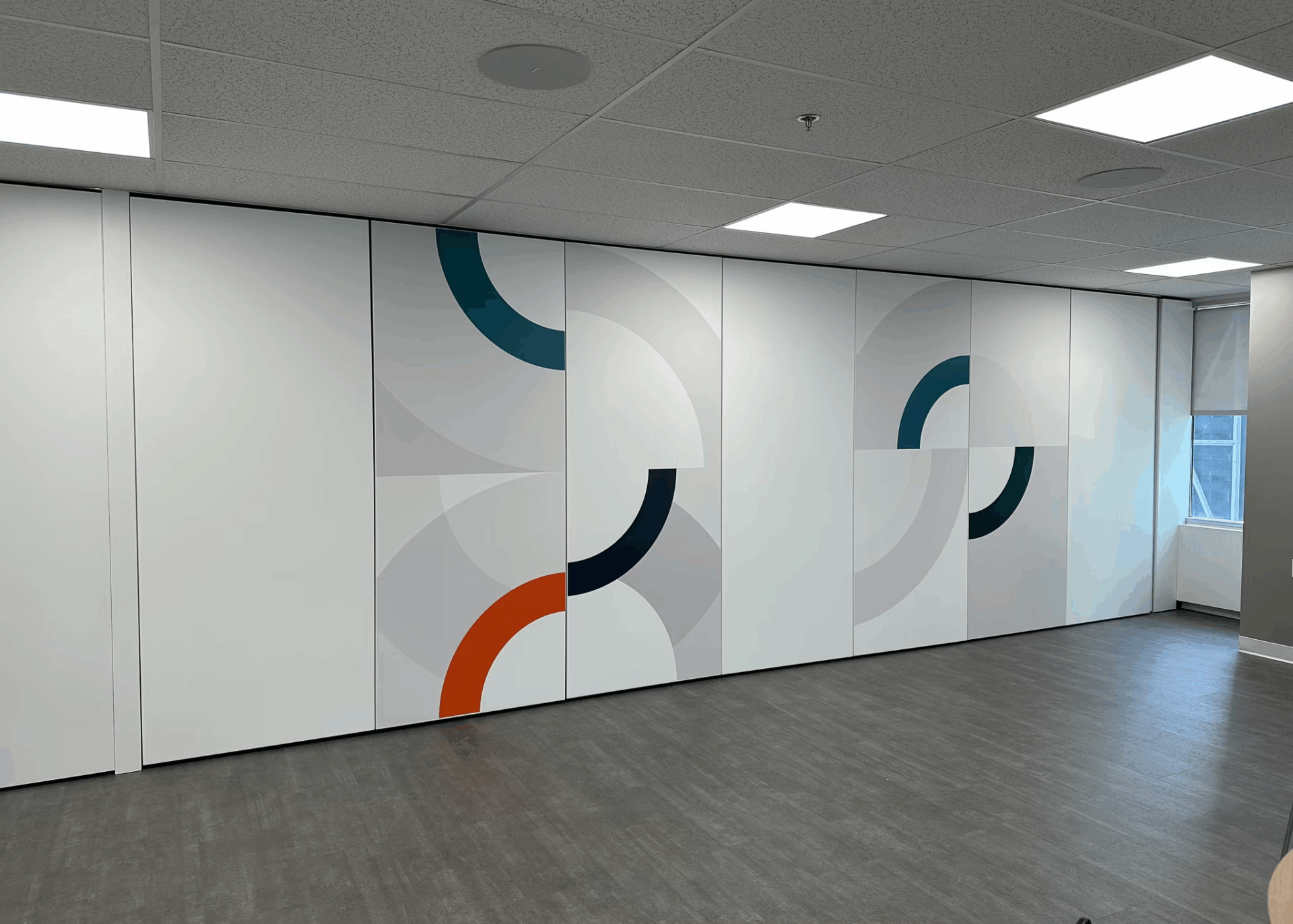
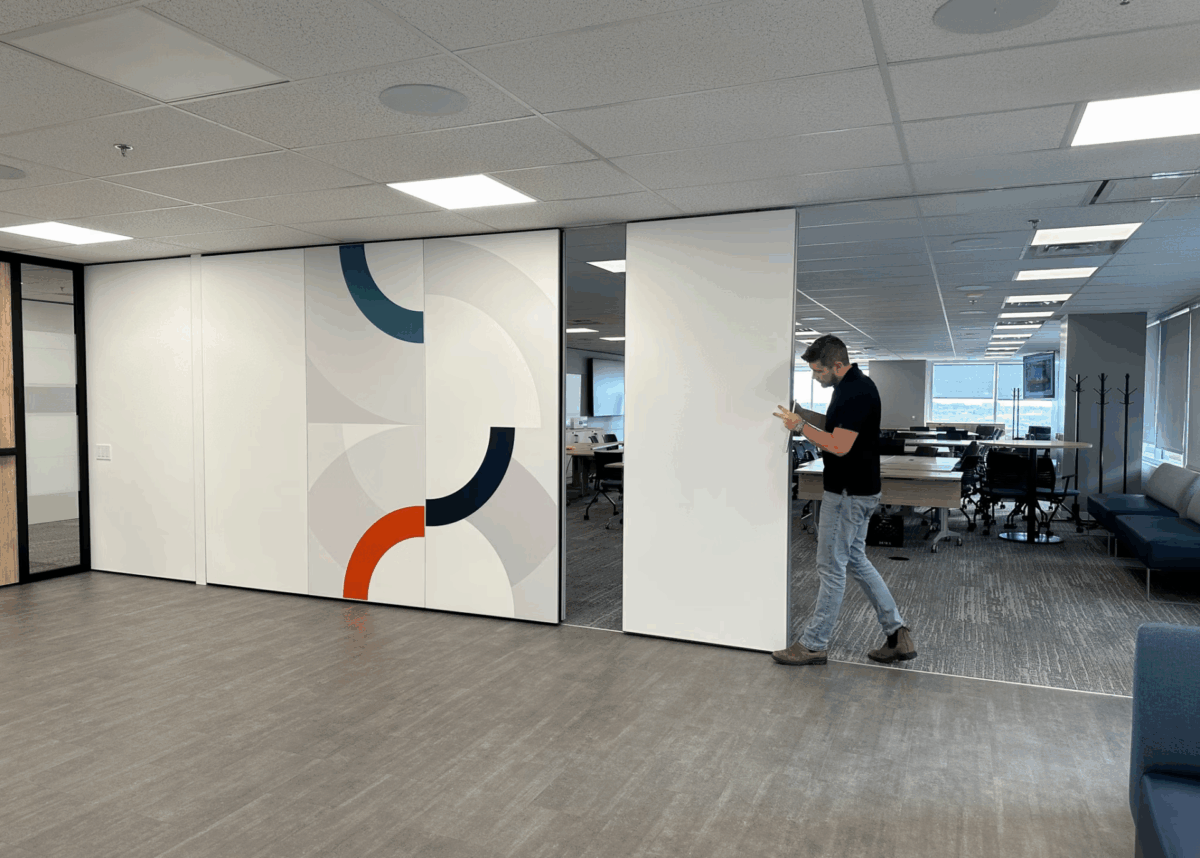
When acoustic design is incorporated into prefabricated commercial interiors, performance is engineered directly into wall systems, partitions, and assemblies. Rather than layering solutions after construction, acoustic ratings are achieved through system design.
This integrated approach ensures:
-
Consistent sound transmission performance between rooms
-
Improved speech privacy in meeting spaces
-
Reduced reverberation in open areas
-
Clean, coordinated aesthetic outcomes
By embedding acoustic performance into prefabricated systems, design intent and functionality remain aligned.
Key Acoustic Strategies in Commercial Spaces
Effective acoustic design typically combines multiple strategies:
Sound Isolation – Managing sound transmission between enclosed spaces through high-performance wall systems and assemblies.
Absorption – Using acoustic panels, ceiling treatments, and baffles to reduce echo and reverberation.
Speech Privacy – Designing meeting rooms and focus spaces that protect confidential conversations.
Balanced Open Environments – Supporting collaboration while preventing excessive noise spill.
Each industry has unique acoustic requirements. Corporate offices prioritize focus and meeting privacy. Healthcare facilities require confidentiality and calm environments. Educational institutions demand clarity and reduced background noise. Hospitality spaces must balance ambiance with comfort.